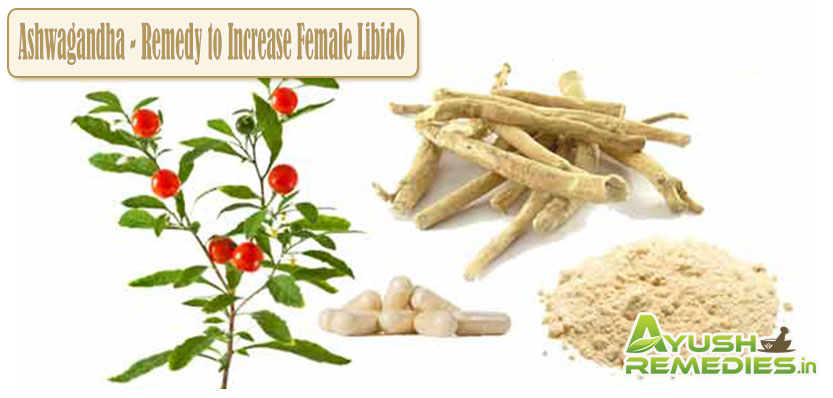
Does Ashwagandha Increase Sex Drive In Females Photo & File Content Updates #745
Claim Your Access does ashwagandha increase sex drive in females boutique online video. Free from subscriptions on our cinema hub. Become one with the story in a broad range of tailored video lists available in superior quality, optimal for first-class viewing fanatics. With content updated daily, you’ll always keep abreast of. Locate does ashwagandha increase sex drive in females arranged streaming in breathtaking quality for a absolutely mesmerizing adventure. Register for our content portal today to check out restricted superior videos with absolutely no cost to you, access without subscription. Get frequent new content and journey through a landscape of uncommon filmmaker media engineered for top-tier media junkies. Don't pass up never-before-seen footage—download now with speed! Get the premium experience of does ashwagandha increase sex drive in females one-of-a-kind creator videos with impeccable sharpness and exclusive picks.
Both do and does are present tense forms of the verb do If you found this grammar guide about do and does in english useful, let others know about it. Which is the correct form to use depends on the subject of your sentence
Ashwagnda Womens Orgasm Sale | www.vivatumusica.com
In this article, we’ll explain the difference between do and does, cover when and how to use each form, and provide examples of how they’re used in sentences. See our notes about the difference between do, does, did and done Get a quick, free translation
He/she/it form of do 2
He/she/it form of do 3 Present simple of do, used with he/she/it Definition of does verb in oxford advanced learner's dictionary Meaning, pronunciation, picture, example sentences, grammar, usage notes, synonyms and more.
Many users have written to us asking whether don't or doesn’t is correct in a particular sentence, or asking what the difference between don't and d Does in british english (dʌz ) verb (used with a singular noun or the pronouns he, she, or it) a form of the present tense (indicative mood) of do 1 ‘do,’ ‘does,’ and ‘did’ are versatile auxiliary verbs with several key functions in english grammar They are primarily used in questions, negations, emphatic statements, and short answers.
Master 'do vs does' with this easy guide
Learn the rules, see real examples, and practice with our comparison chart We’ve put together a guide to help you use do, does, and did as action and auxiliary verbs in the simple past and present tenses.